


At 15 years old, I proudly pulled into a snow-and-ice-covered parking lot in my white 1990 Toyota Corolla. This driving lesson would keep my dad fully awake. He fell asleep during my first driving lesson, a peaceful drive down empty back roads. But driving on ice required strategy. Dad liked strategy. He instructed me to build up a little speed, then slam on my brakes. When I did, I instantly felt the loss of control over my sweet little sedan. We slid to a sideways stop.
Dad smiled, explaining that the safest way to stop on ice was to tap the brakes repeatedly. Because of the rhythmic release of tension, even on uncertain terrain, one could still maintain some control. I picked up speed once again and tried that technique. Shazam! A peaceful, controlled stop atop a slippery surface. That lesson taught me about the power of letting go and giving vehicles, people, and problems a rest. Especially those things we want to control in a blind panic.
As a wife, mother, and citizen, there are many concerns I’d like to grab by the horns and wrestle to the ground. I need regular reminders that sometimes it’s good to let go. This past December, my husband David and I implemented intentional Sabbath rests every week. Not for religion, but for rhythm.
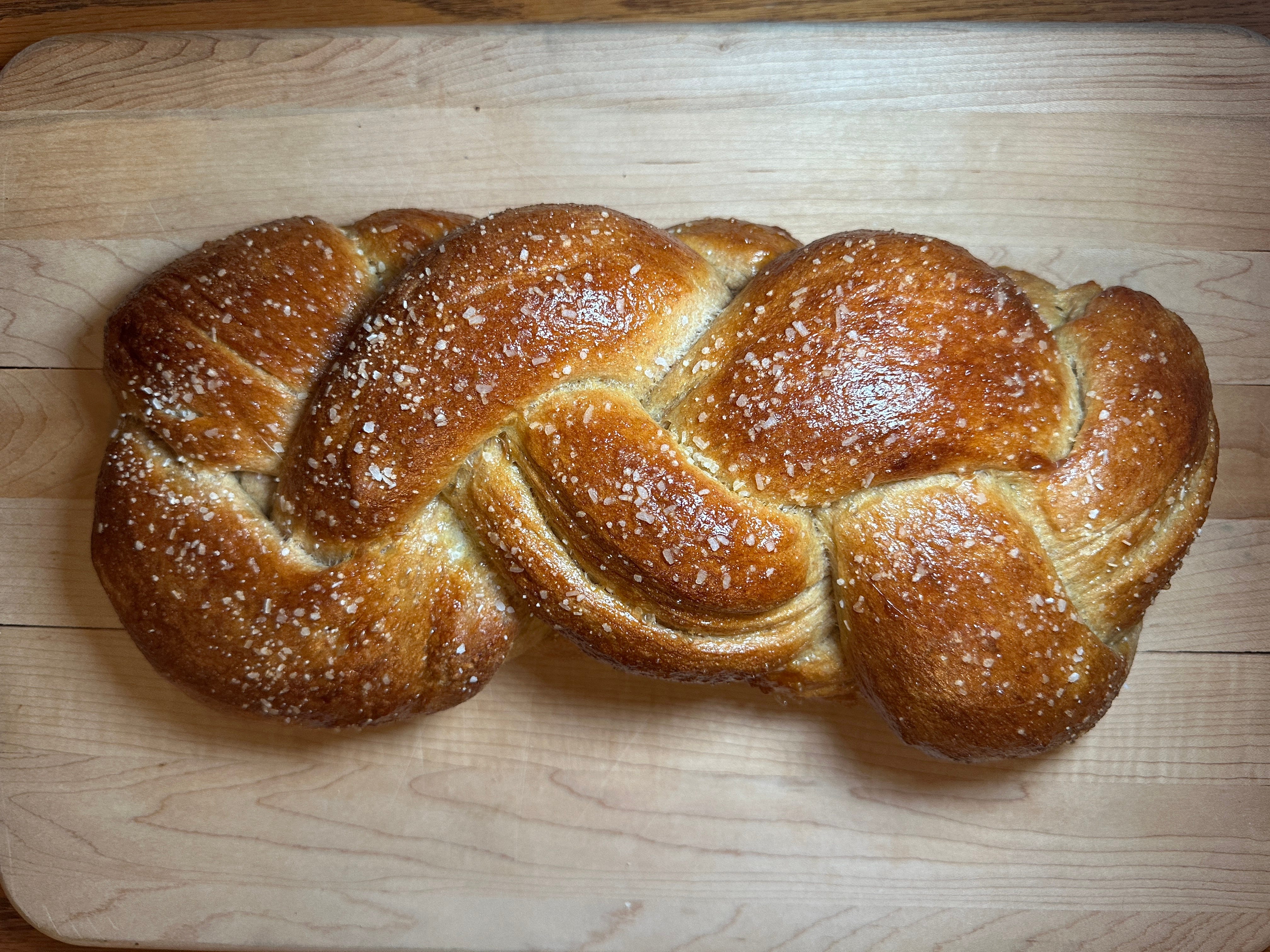
I love making the traditional two loaves of braided challah bread. The ritual of making homemade bread has helped me understand the value of undisturbed moments. Left alone, the kneaded ball of dough is free to double in size. In fact, no amount of messing with it, kneading, pleading, or beating can force the dough to rise. It must be left alone.
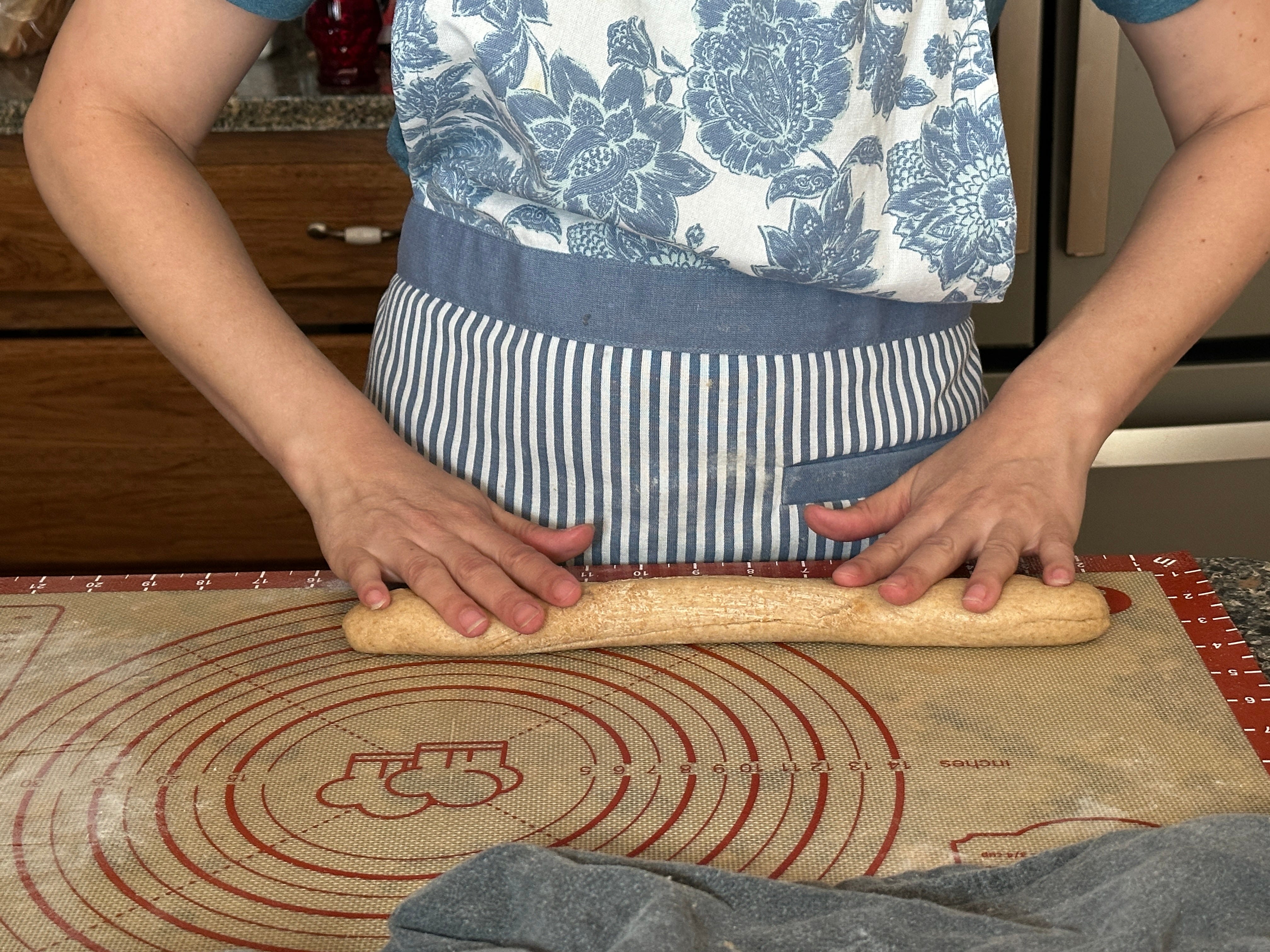
After two hours, it’s ready to be worked into four individual pieces and rolled into ropes. The first time I roll the ropes, I can feel them working against me, trying to spring back to a shorter size. I stretch it anyway, conscious of how far it can go before breaking. Then, I set it aside to rest again while I work on the next rope. By the time I’ve rolled them all, I can return to the first bit of dough I rolled out. As soon as I touch it, I can feel that it has “relaxed.” There is tangible softness in the dough that was, moments before, ready to snap. Now, it can be stretched a little further. I roll each piece once more, braid them together, and let them rise again before sending them into the oven. The beautifully golden-brown, salt-crusted loaves come out a few minutes before Sabbath begins, an edible testimony to the give-and-take dance between rest and work.
Rest can be hard to justify. There are too many things to accomplish. But, as the sign in my grandma’s kitchen declared, “The hurrier I go the behinder I get.” Sabbath does not just grant permission to stop, it opens its arms wide in invitation. It has become something I anticipate, something I work harder to achieve. When Friday night comes, we can look with contentment on what has been accomplished that week. We can “call it good,” take a deep breath, nap, play a board game, or read until the drool trickles off our chins.
Sabbath reminds me I don’t have to spend all my time researching, striving, or pushing for solutions. Constant tension, like slamming on the brakes, is disastrous. I don’t need to have all the answers right now. I can be content to wait, trusting that I’ll be ready to stretch further when the time comes, and that, maybe, I can reach new heights even while I’m taking a nap.
I have repeated your description of the dough's need for rest to better stretch several times since you shared it with me. Each time there was an eye opening aha moment for the hearer. But pairing it with the ice driving story packs it with even more punch. Great job!
Marianne, you really saw and captured the value of Kara's essay. I agree with you. Thanks.